
July 2, 2026
Prefab Houses Kenya: The Ultimate Guide to Glass & Aluminium Apple Houses
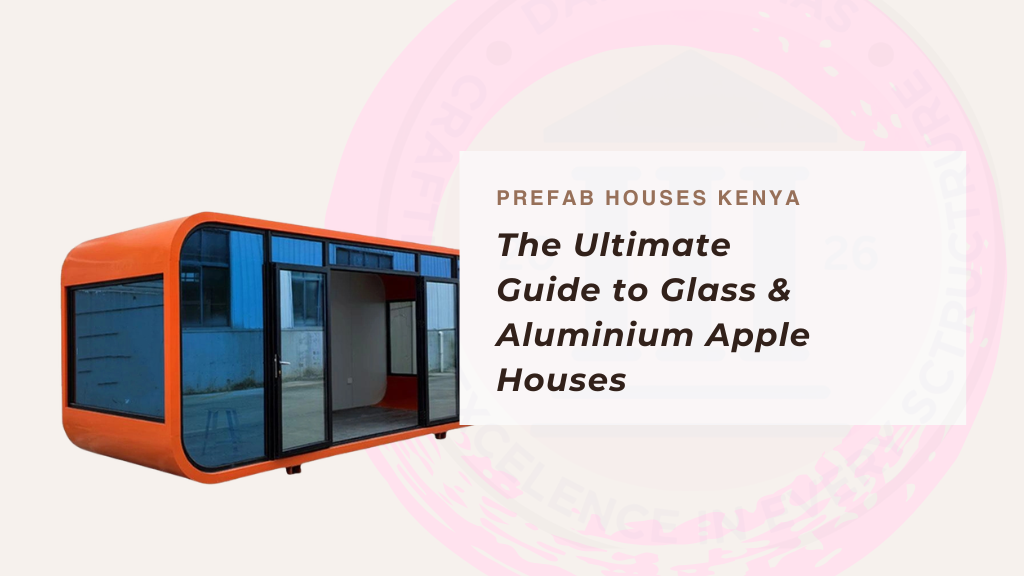
Prefab houses Kenya has arrived in a new form.
Often called an “Apple house” “Apple Cabin” or a “space capsule” due to its sleek, futuristic aesthetic, this architectural style is redefining minimalist living within the prefab houses Kenya market. Once only available through expensive imports, these premium glass and aluminium homes can now be fabricated locally by innovators like DnD Aluminium & Glass, giving Kenyans access to world-class modular homes without the high costs and long waiting times associated with overseas shipping.
It’s no surprise that prefab houses Kenya has become one of the fastest-growing searches in the construction industry. Homeowners, investors and developers are looking for buildings that are quicker to install, visually striking, energy-efficient and built to last. Unlike conventional brick-and-mortar construction, prefab houses in Kenya combine contemporary architecture with factory-built precision, reducing construction time while delivering a premium finish.
Their versatility is another reason for their growing popularity. Apple Houses can be used as permanent family homes, Airbnb rentals, holiday cottages, eco-lodges, glamping units, home offices, garden studios, commercial kiosks, cafés, reception offices, staff accommodation, medical clinics and resort guest rooms. Whether you’re developing property in Nairobi, building a vacation retreat in Naivasha, adding rental units in Diani, or creating a luxury safari lodge in the Maasai Mara, these modular homes offer a practical and attractive solution.
For individuals, they offers more than just modern design. It provides a faster path to homeownership, lower construction waste, high-quality aluminium and glass finishes, minimal maintenance, and the flexibility to expand or customise as your needs change. With local fabrication now available, buyers can also enjoy easier communication, faster delivery, and ongoing support from a Kenyan manufacturer.
What is an Apple House? (The Rise of Sleek Prefabricated Houses in Kenya)
An Apple house, often searched as a glass pod house, a glass prefab cabin, or an aluminium glass booth, is a compact, factory-style structure built almost entirely from structural glass and aluminium composite panels, rather than the flat-sided shipping containers we’ve grown used to. Within the broader category of prefab houses Kenya buyers are now exploring, it’s the design-forward cousin, engineered for looks as much as function.

Three things set it apart from a typical premade house:
- An exoskeleton frame — a galvanized or aluminium steel skeleton that carries the structural load, so the walls themselves don’t need to be thick or heavy.
- Seamless ACP cladding — curved, CNC-milled aluminium composite panels that wrap the exterior in one continuous, rust-proof shell.
- Floor-to-ceiling glass — full glazing that turns ordinary walls into a 360-degree view, something almost no traditional Kenyan building can offer at this price point.
Where an old-school shipping-container conversion looks boxy and industrial, an Apple house is aerodynamic, closer to a small architectural sculpture than a container.
The Creative Synergy of Glass and Aluminium in Modern Architecture
One of the biggest reasons prefab houses are becoming so popular in Kenya is the combination of glass and aluminium, material that is readily available, and accessible in Kenya. Together, these two materials create a home that feels modern, spacious and surprisingly practical for everyday living.
Walk into an Apple Cabin and the first thing you’ll notice is the natural light.
Large glass panels allow sunlight to fill the interior, making even compact spaces feel open and welcoming. Whether you’re building a holiday home overlooking a lake, an Airbnb with scenic views, a home office in your backyard, or a stylish café, the uninterrupted glass gives you a stronger connection to the outdoors.
At the same time, aluminium provides the strength that holds everything together.
Unlike timber, it won’t rot, and unlike steel, it doesn’t rust easily, making it an excellent choice for Kenya’s diverse climates, from the salty coastal air in Mombasa to the cooler highlands around Limuru and Nyeri. It also requires very little maintenance, which means lower long-term ownership costs.
The smooth curved exterior that gives Apple Houses their distinctive look is made possible by modern aluminium composite panels. These panels create the sleek, futuristic finish that has made Apple Houses stand out from traditional brick-and-mortar homes. They’re durable, weather-resistant and designed to retain their appearance for many years with minimal upkeep.
As one of Kenya’s leading aluminium and glass specialists, DnD Aluminium & Glass brings these materials together to create Apple Houses that are not only visually impressive but also built for local conditions.
Instead of relying on imported units, DnD fabricates these structures locally, allowing clients to customise layouts, finishes and features while benefiting from local expertise, faster delivery and ongoing support.
Engineering for the Kenyan Climate, Not Just for Good Looks: Beating the Greenhouse Effect
One question many people ask is, “Won’t a glass house become too hot?”
It’s a valid concern.
Some imported glass cabins are designed for completely different climates, and when placed under the Kenyan sun they can become uncomfortably warm. That’s one reason some early prefab glass structures failed to meet expectations.
DnD Aluminium & Glass approaches things differently. Rather than simply copying overseas designs, the company adapts Apple Houses to suit Kenya’s climate and the way people actually live and work.
Special Low-E glass helps reduce the amount of heat entering the building while still allowing plenty of natural light inside. For even greater comfort, double-glazed glass creates an insulating layer that keeps interiors cooler during the day, warmer on cold nights, and significantly quieter by reducing outside noise.
The aluminium framework is also designed to accommodate insulation and concealed electrical services, helping maintain comfortable indoor temperatures while giving the home a clean, modern finish without exposed wiring.
The result is a prefab house in Kenya that doesn’t just look impressive in photographs, it remains comfortable throughout the year, whether it’s being used as a family home, Airbnb, office, café or resort accommodation.
This focus on local fabrication and climate-conscious design is what sets DnD Aluminium & Glass apart. Instead of selling a one-size-fits-all imported product, the company delivers Apple Houses that are engineered specifically for Kenyan environments, offering homeowners and investors a modern space that is as practical as it is beautiful.
Why Local Fabrication Beats International Importing
A lot of buyers researching prefabricated houses Kenya assume the smart move is importing a ready-made capsule from Europe or Asia. In practice, that route comes with real pain points.
| Factor | Imported Space Capsule | Locally Fabricated DnD Apple House |
| Lead time | 3–6 months (production + shipping + clearing) | Weeks, built to your timeline |
| Freight cost | High sea freight fees to Mombasa | None |
| Transit risk | Glass can crack or shatter in transit | Assembled on-site, minimal transit risk |
| Customization | Fixed, rigid factory dimensions | Tailored to your exact plot and needs |
| Warranty & repairs | Difficult to claim; parts shipped from abroad | Local structural warranty, local support |
| Configuration options | Limited to standard models | Kiosks, offices, gatehouses, cabins — built to spec |
Importing a prefab house sounds convenient until the container gets stuck in customs or a pane cracks halfway across the ocean. DnD Aluminium & Glass measures your actual site, fabricates locally, and assembles on-site, so what you plan is what you get, without the guesswork.
Top Creative Uses for Glass Booth Prefabs and Apple Houses in Kenya
One of the biggest advantages of Apple Houses is their versatility. While many people think of them as modern homes, they’re being used for much more than residential living. Their unique design, quick installation and premium appearance make them suitable for a wide range of personal and commercial projects.
Luxury Airbnb and Eco-Lodges
Imagine waking up to panoramic views of Lake Naivasha, the forests of Nanyuki or the beaches of Watamu. Apple Houses have become an attractive option for investors looking to create memorable guest experiences. Their floor-to-ceiling glass, modern interiors and distinctive design help properties stand out in Kenya’s competitive short-term rental market.

Home Offices, Studios and Guest Houses
As more people embrace remote work and flexible living, prefab houses in Nairobi make excellent home offices, creative studios or private guest suites. Instead of building a conventional extension, homeowners can add a stylish, self-contained space that complements their property.
Modern Cafés, Retail Shops and Showrooms
For businesses, first impressions matter. An Apple House can serve as a café, boutique, sales office or product showroom, instantly attracting attention with its contemporary design. Compared to traditional kiosks or temporary structures, it offers a more premium experience for both customers and staff.
Reception Areas, Gatehouses and Security Booths
Corporate offices, gated communities, schools and commercial developments are increasingly looking for entrance structures that combine security with aesthetics. Glass and aluminium Prefab Houses in Kenya provide excellent visibility while giving developments a modern, professional image from the moment visitors arrive.

Holiday Homes and Weekend Retreats
Many landowners are transforming unused plots into peaceful getaways. Whether it’s a family retreat in Naivasha, a countryside escape near Nanyuki or a holiday home along the coast, a prefab House offers a faster and more affordable way to create a comfortable living space without a lengthy construction project.
For property owners in fast-growing areas such as Westlands, Gigiri, Kitengela and other emerging investment hubs, an Apple Cabin can do more than provide extra space, it can increase the appeal of a property, create new income opportunities and become a distinctive feature that sets it apart from neighbouring developments.
Frequently Asked Questions About Prefab Houses Kenya
Do I need a traditional foundation for a prefab house in Kenya?
No, most designs only need level concrete pillars or a simple concrete slab, which keeps site preparation fast and affordable compared to a full traditional foundation.
How do you manage waste and water in a modular capsule?
Pre-fitted plumbing hooks connect directly into a local biodigester or septic tank, so sanitation is sorted without needing municipal sewer access.
Can glass booths withstand strong winds or earthquakes?
Yes, when built with galvanized structural steel and tempered glass, these structures are engineered to handle Kenya’s weather conditions, from highland winds to coastal storms.
How long does a prefab house take to build?
Most Apple house projects from DnD Aluminium & Glass are ready in a matter of weeks rather than months, since fabrication happens locally and site work runs in parallel.
How much are small prefab houses in Kenya?
Pricing depends on size, glazing specification, and finishing level, a compact kiosk or one-room pod costs considerably less than a full villa-style build. Contact DnD Aluminium & Glass for a tailored quote based on your plot and design.
Are prefab houses durable?
Yes, provided they’re built with the right materials. Aviation-grade aluminium framing, rust-proof ACP cladding, and tempered double-glazed glass are built to last for decades with minimal upkeep, far longer than a typical mabati structure.
Which companies build prefab houses in Kenya?
Prefab houses in Kenya are a relatively new technology. If you’re looking for modern Apple Houses made from glass and aluminium, DnD Aluminium & Glass is one of the local manufacturers fabricating these structures in Kenya, offering custom designs, faster delivery and local support.
Do prefab houses require planning permission in Kenya?
Yes. Prefab houses must be approved by the relevant county government and comply with Kenyan building regulations, just like traditionally built homes.
Can prefab houses withstand heavy rain and Kenya’s coastal humidity?
Yes. Well-built prefab houses are designed to handle Kenya’s weather. Aluminium frames resist rust, while quality glazing and weatherproof sealing help protect against heavy rain, humidity and coastal conditions.
Prefab houses Kenya is no longer just a search term for cheap, fast housing, it’s evolved into something far more design-driven.
Whether you’re picturing a glass office booth in Nairobi, a gatehouse for a private estate, or a jaw-dropping Airbnb cabin overlooking Lake Naivasha, an Apple-house-style build within the prefab houses Kenya market delivers a look no traditional construction can match, at a fraction of the cost and wait time of importing one.
Ready to bring a prefab house to your plot?
Get in touch with DnD Aluminium & Glass to discuss your site, your vision, and a fabrication timeline built entirely around you.